More Isn't More: The Science Behind Spacing Out Your Istanbul Spa Treatments for Maximum Recovery
Photo: Shixart1985, CC BY 2.0, via Wikimedia Commons
There's a particular kind of American tourist who arrives in Istanbul with a color-coded spa itinerary. Deep tissue at 9am, hammam at noon, reflexology at 4pm, aromatherapy wrap at 8pm. It feels efficient. It feels like getting your money's worth. And according to nearly every experienced therapist working Istanbul's round-the-clock wellness scene, it's one of the worst things you can do for your body.
This is the Istanbul Massage Paradox: a city that never closes its spa doors, yet rewards the people who use those doors least frequently in any given day.
Your Nervous System Has a Processing Speed — and You Can't Hack It
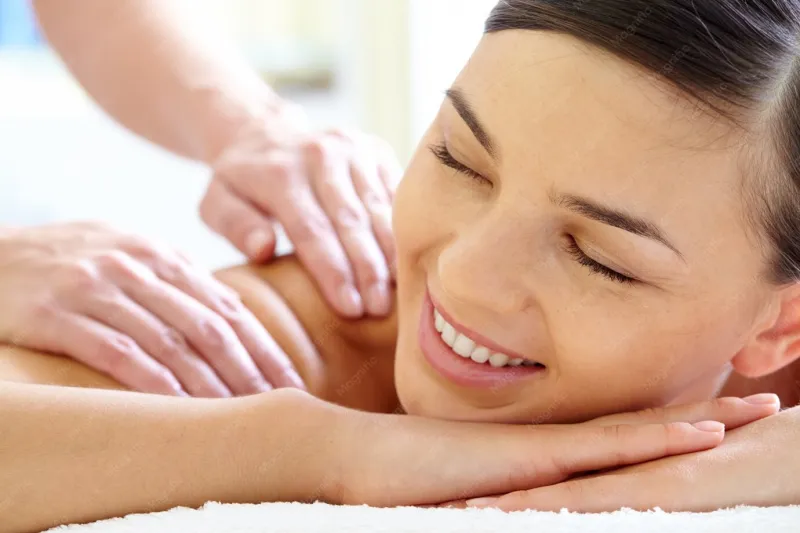
When a skilled therapist works on your muscles, they're not just loosening knots. They're triggering a cascade of physiological responses that take time to fully unfold. The parasympathetic nervous system — the branch responsible for rest, digestion, and cellular repair — needs space to do its job after a treatment.
"The body isn't a car that you can just refuel and send back out immediately," says Deniz, a senior therapist at a long-running Istanbul wellness center near Sultanahmet who has worked with international clients for over fifteen years. "When we do deep work on someone, we're essentially sending signals to the brain to begin a repair process. If you stack another treatment on top of that two hours later, you interrupt that process before it finishes."
Research on soft tissue manipulation backs this up. After massage therapy, the body experiences measurable increases in parasympathetic activity — heart rate slows, cortisol drops, and inflammatory markers begin to shift. But these changes don't peak immediately. Studies have shown that some of the most significant physiological benefits, including reduced muscle soreness and improved lymphatic drainage, occur in the 12 to 24 hours after a session, not during it.
When you book four treatments in a single day, you're essentially hitting the reset button on that recovery window each time — and never letting any single treatment fully land.
Why Istanbul's 24-Hour Access Changes the Calculus
Here's where this city genuinely stands apart from every wellness destination in the world: the clock doesn't close.
In New York or Los Angeles, your options are largely limited to business hours, which means that even if you intellectually understand the value of spacing treatments out, the logistics often force your hand. You're in town for two days, the spa closes at 9pm, so you cram everything in.
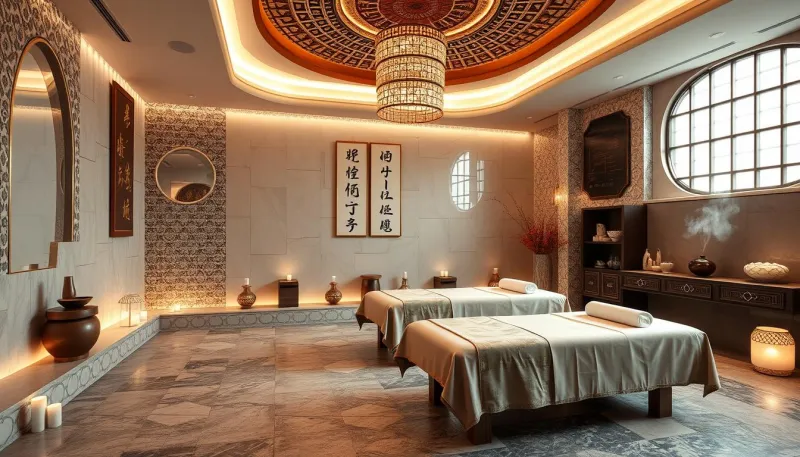
Istanbul doesn't have that problem. A quality massage at 2am is genuinely available here — and not in a sketchy, back-alley way. Reputable wellness centers across the city maintain full staffing through the night, catering to jet-lagged travelers, late-arriving business visitors, and locals who simply prefer working with their own schedules.
That 24-hour window isn't an invitation to do more. It's an invitation to do things smarter.
"I always tell clients from the US: you have time," says Aylin, a licensed therapist who specializes in therapeutic massage for corporate travelers passing through Istanbul. "Even if you're only here for two nights, you can have a treatment when you land in the evening, sleep, let your body process, and come back the next morning feeling completely different. That is two treatments done correctly. That is better than five treatments done wrong."
The Stacking Trap: What Actually Happens When You Over-Treat
Beyond the theoretical, therapists in Istanbul describe a consistent pattern they see in clients who arrive having already had multiple treatments that day or the day before.
The muscles become hypersensitive. The body, rather than relaxing into touch, begins to brace against it — a protective response that makes deep tissue work less effective and sometimes uncomfortable in ways that aren't productive. Inflammation, rather than decreasing, can actually spike when tissue that hasn't had time to recover is repeatedly worked.
"There's a window after a massage where the tissue is almost like freshly tilled soil," Deniz explains. "It's responsive, it's open. If you work it again too soon, you're not planting seeds — you're just disrupting the ground."
For Americans used to the go-hard mentality that pervades most US wellness culture — the 6am workout, the cold plunge, the infrared sauna, all before breakfast — this can be a difficult concept to accept. We've been conditioned to believe that more input equals more output. The body, unfortunately, did not get that memo.
Building a Smarter Istanbul Wellness Schedule
So what does an optimized treatment schedule actually look like? Istanbul's top therapists tend to recommend a rhythm rather than a marathon.
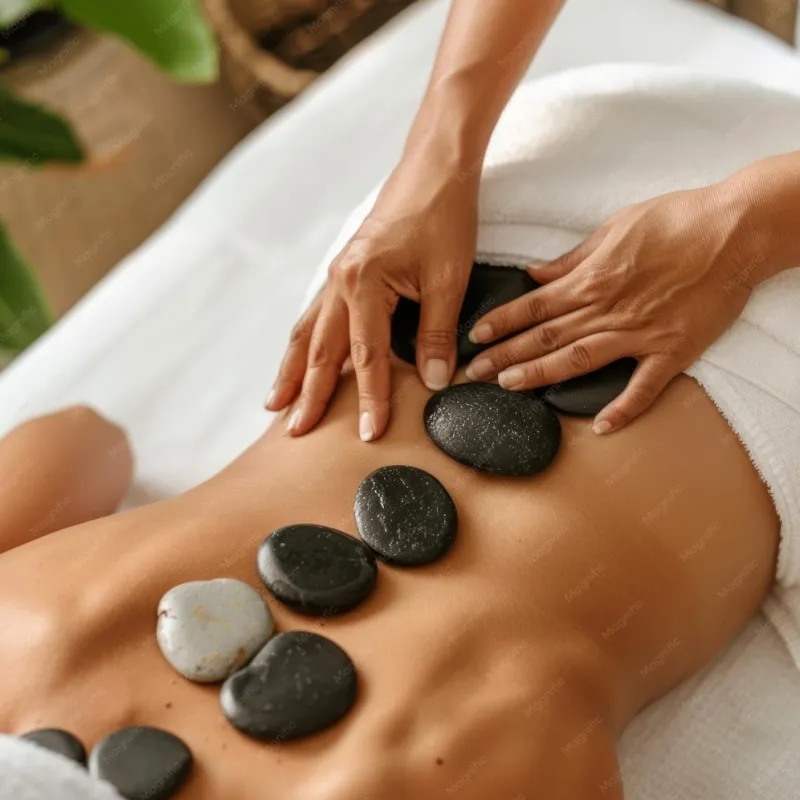
For a 48-hour stay: One substantive treatment on arrival (a hammam session works particularly well for jet lag, as the heat and exfoliation combination has measurable effects on circulation and cortisol). Rest. A targeted massage — deep tissue, sports, or therapeutic — the following afternoon or evening. Done.
For a 72-hour stay: The same arrival treatment, followed by a rest day with light movement (Istanbul's historic neighborhoods are genuinely excellent for walking). A second targeted session on day two. If a third treatment feels right on day three, keep it light — something restorative like a gentle aromatherapy session rather than intense bodywork.
For business travelers with irregular hours: This is exactly where 24-hour access earns its value. Rather than forcing a treatment into a packed daytime schedule, book it for 11pm after your last meeting. Let the body work overnight. You'll wake up in a different state than if you'd powered through without it.
The Counterintuitive Luxury of Doing Less
There's something almost philosophically interesting about what Istanbul's wellness culture, at its best, actually teaches. This is a city with hammams that have been operating for centuries — not because they were convenient, but because they understood something about the rhythm of the human body that modern Western wellness has largely forgotten in its rush to optimize everything.
The tellak — the traditional hammam attendant — doesn't rush. The scrub takes as long as it takes. The rest on the warm marble afterward isn't filler; it's part of the treatment. The tea that follows isn't a courtesy; it's a signal to the body that the process is complete.
When you use Istanbul's 24-hour accessibility the way it was meant to be used — as flexibility, not as permission to overload — you're tapping into something the city has always understood. Recovery isn't passive. It's an active process that requires its own dedicated time.
Slow down your schedule. Your body will catch up faster than you think.