Your Wearable Can't Feel a Knot: How Istanbul's Massage Therapists Diagnose Stress With Their Hands
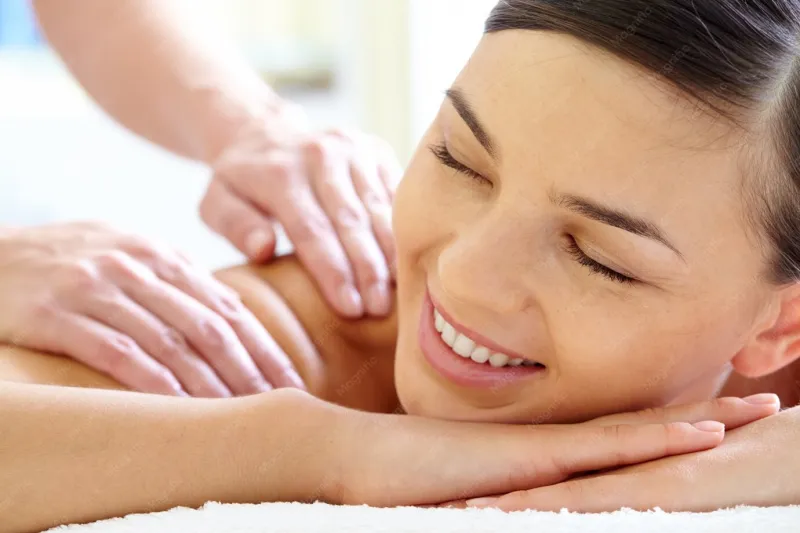
Photo: massage therapist hands working on client back muscles close up spa, via img.freepik.com
The Gap Between Knowing and Feeling
Most Americans have a pretty sophisticated relationship with their own stress levels — at least on paper. We track sleep scores, monitor resting heart rates, log our mood in journal apps, and schedule therapy sessions every other Tuesday. We are, by any measure, a nation obsessed with quantifying how burned out we are.
And yet, a lot of us walk around carrying tension we can't fully name. A tightness behind the shoulder blades that won't quit. A jaw that clenches at 2 a.m. A low-grade headache that's just... always there. We know something's off. We just can't pinpoint it.
That's the gap Istanbul's massage therapists have been quietly filling for centuries — and it's a gap that no wearable device, no matter how expensive, has managed to close.
What Tactile Diagnosis Actually Means
In Western wellness culture, diagnosis is visual and data-driven. Your doctor looks at your bloodwork. Your physical therapist watches you walk across the room. Your fitness tracker graphs your recovery score. The premise is that if you can measure it, you can manage it.
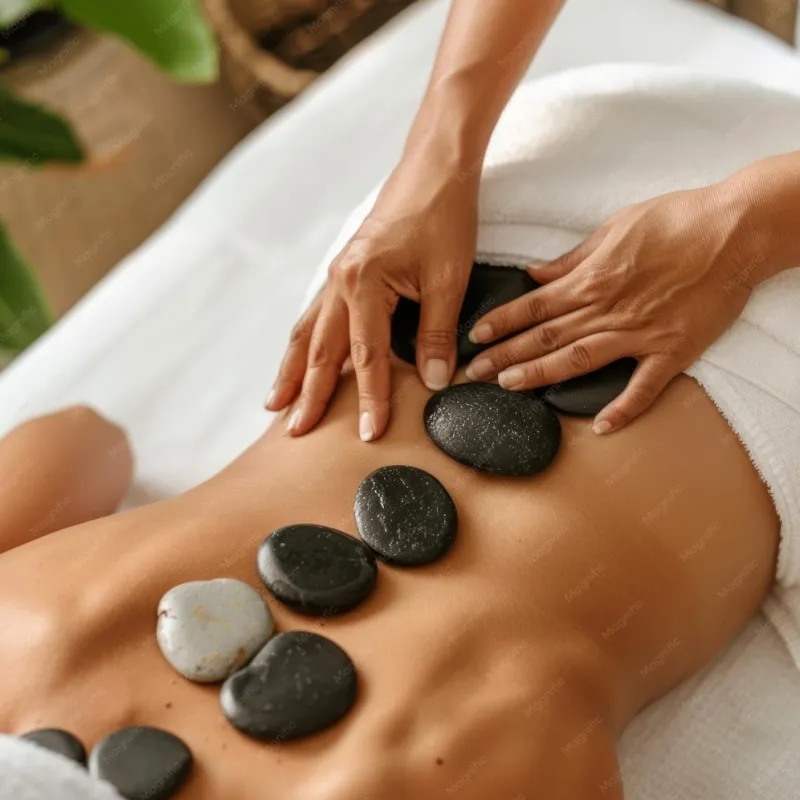
Istanbul's traditional massage practitioners work from a completely different premise. Their primary diagnostic tool isn't a screen — it's the palm of a hand.
Through years of hands-on practice rooted in Ottoman hammam traditions and broader Eastern therapeutic frameworks, experienced Istanbul therapists develop what you might call a tactile vocabulary. They learn to read the body the way a skilled mechanic listens to an engine: not just for the obvious problems, but for the subtle patterns that signal something deeper is going on.
A therapist at a reputable Istanbul spa isn't just loosening muscles when they work on you. They're mapping you. The density of tissue around your neck tells them something about how long you've been sitting at a desk. The way your lower back holds tension on one side versus the other speaks to postural compensation you've probably never consciously noticed. The temperature differential between your shoulder blades? That's information too.
This isn't mysticism. It's accumulated sensory expertise — the kind that takes years to develop and simply cannot be replicated by an algorithm.
Why Your Therapist Back Home Might Be Missing the Bigger Picture
This isn't a knock on talk therapy. Cognitive behavioral therapy works. Medication works. Regular sessions with a licensed therapist can be genuinely life-changing, and none of what follows is meant to suggest otherwise.
But here's the thing: the body keeps score in ways the mind doesn't always have access to. Your therapist can help you process the narrative of your stress — the job pressure, the relationship friction, the financial anxiety. What they can't do is put their hands on your rhomboids and tell you that you've been unconsciously bracing against something for the past six months.
Istanbul's massage culture bridges that divide. The best practitioners here aren't just offering relaxation — they're offering a form of somatic feedback that meets the body on its own terms. When a therapist identifies a band of chronic tension you didn't know you were carrying and then works through it methodically, something shifts. Not just physically. Psychologically, too. There's a release that happens when a pattern you've been unconsciously holding gets named and addressed — even if the naming is happening through pressure and breath rather than language.
American wellness culture is slowly catching on to this through modalities like somatic therapy and trauma-informed bodywork. Istanbul has been doing it for generations.
Around the Clock, On Demand — And That Matters More Than You Think
One of the underrated advantages of Istanbul's 24-hour massage and spa scene is timing. Stress doesn't run on a 9-to-5 schedule, and neither should the tools you use to address it.
If you've ever landed at Istanbul Atatürk or Istanbul Airport after a transatlantic flight and felt your body humming with a specific kind of jet-lagged, anxiety-laced exhaustion, you already know what we mean. That 3 a.m. tension is real, and it's different from your standard end-of-workday tightness. It's layered — travel fatigue stacked on top of pre-trip work stress stacked on top of whatever you've been quietly carrying for the past few months.
A skilled Istanbul therapist working on you at midnight isn't just loosening travel-stiff muscles. They're reading all of that. And they're responding to what they actually find in your body, not to a generic treatment menu.
That personalization — the kind that adapts in real time to what your body is communicating — is genuinely hard to find in the American spa market, where sessions often follow scripted sequences regardless of what the client actually needs that day.
The Biofeedback You Didn't Know You Needed
Here's a useful reframe: think of an Istanbul massage session less as a luxury service and more as a form of high-resolution biofeedback.
Your Oura ring can tell you your HRV dropped last night. An Istanbul therapist can tell you where in your body that stress is physically living, how long it's likely been accumulating, and — crucially — do something about it in the same session.
That's a fundamentally different kind of information. It's embodied rather than abstracted. It's immediate rather than retrospective. And for many Americans who've been dutifully tracking their wellness metrics without feeling meaningfully better, it can be a revelation.
The tactile intelligence these practitioners carry isn't teachable in a weekend certification course. It's the product of apprenticeship, repetition, and a cultural tradition that has always treated the body as the primary text — not a secondary data source to be interpreted by a device.
What to Do With This Information
If you're heading to Istanbul — whether for business, a layover, or a dedicated wellness trip — consider booking a massage not as an add-on to your itinerary but as a diagnostic experience in its own right.
Go in without a fixed agenda. Let the therapist work. Pay attention to what they find, and notice where you're holding tension you didn't consciously register. Ask questions afterward if the language barrier allows. What you learn about your own body in a single well-executed session might give you more actionable information than six months of app-based stress tracking.
Istanbul's round-the-clock spa culture exists precisely because the need for this kind of care doesn't follow a schedule. Your stress certainly doesn't. It might be time your recovery strategy stopped pretending otherwise.