Kese, Köpük, and Everything Else: Decoding an Istanbul Spa Menu Before You Commit
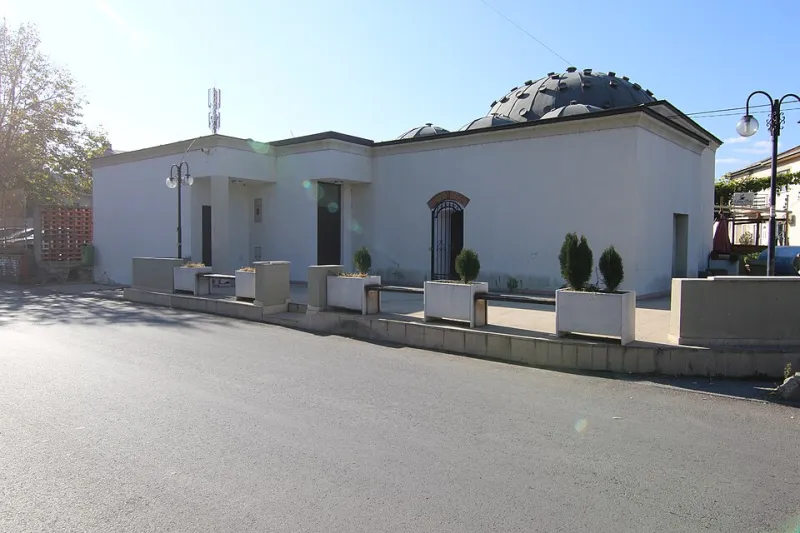
Photo: 44martin88, CC BY-SA 4.0, via Wikimedia Commons
Every Istanbul spa menu has the same quiet trap: familiar words arranged in unfamiliar ways. Masaj you can guess. Hamam you've heard of. Then comes kese, köpük, refleksoloji, and a list of durations that don't line up with anything you've seen at home. You've got a one-hour window before your 7 a.m. flight and you'd rather not spend twenty minutes of it interrogating a receptionist.
Consider this your pocket translator. Bookmark it, screenshot it, or just read it on the elevator down.
First, understand how the menu is built
Turkish spa menus are usually organized by category rather than by body part. You'll see masaj (massage), hamam ritüeli (hammam ritual), vücut bakımı (body care — scrubs, wraps, masks), and yüz bakımı (facial care). Prices are listed per session with a duration attached, most commonly 30, 45, 60, or 90 minutes.
One quirk worth knowing: a "60-minute" treatment usually means 50 to 55 minutes of hands-on time plus setup. Don't plan your whole evening around the exact number.
Kese (keh-SEH) — the exfoliation glove
This is a rough mitt, traditionally used in the hammam, that scrubs dead skin off in satisfying gray rolls. It's vigorous. If you have sensitive skin, sunburn, or freshly shaved legs, ask for hafif (light) pressure or skip it. Most people love it once and feel like a new person afterward.
Kese is often sold standalone as a 20- or 30-minute service, and it's frequently bundled into hammam packages.
Köpük (kuh-PUK) — the foam
Literally "foam." A therapist works a soapy foam bag until it's full of dense bubbles, then spreads them over you and works them in. It's slippery, weightless, and one of the most pleasant twenty minutes you can buy. Kese followed by köpük is the classic pairing — scrub first, then foam.
Hamam ritüeli — the full ritual
A proper hammam session means heat first: you lie on a warm marble slab in a domed room and sweat for ten to fifteen minutes. Then kese, then köpük, then a rinse, and you leave feeling like your skin has been replaced. Expect 45 to 75 minutes depending on the package. Many 24-hour Istanbul spas run the ritual late into the night, which is a great option if you're too wired to sleep after a long flight.
Refleksoloji — feet, but not a foot rub
Reflexology maps pressure points on the feet to other parts of the body. A skilled practitioner applies firm, specific thumb pressure, and some spots will genuinely make you flinch. It's not a gentle foot massage; it's closer to targeted acupressure. Excellent for travel-swollen ankles, and easy to fit into a 30-minute slot.
Medikal masaj — the clinical one
Despite the name, this isn't performed by a doctor. It signals a therapeutic, assessment-driven massage: the therapist asks where it hurts, tests range of motion, and works on specific restrictions. It can be uncomfortable. If you want to melt into a table and not think, this is not the one.
Its cousins: derin doku (deep tissue), spor masajı (sports massage), tetik nokta (trigger point), and lenf drenajı (lymphatic drainage — very light, rhythmic, great after a long-haul flight).
Aromaterapi — proceed with a small question
Aromatherapy means scented oils, usually a blend chosen for relaxation or energy. If you're sensitive to fragrance or pregnant, say so before the oil comes out and ask for kokusuz (unscented). Most places keep a plain carrier oil on hand.
The rest of the vocabulary, briefly
- İsveç masajı — Swedish massage, the familiar gliding-and-kneading standard.
- Sıcak taş — hot stone.
- Baş-boyun-omuz — head, neck, and shoulder. Usually 30 minutes, ideal for desk-bound travelers.
- Peeling — body scrub, often sugar or salt based.
- Kil maskesi — clay mask.
- Hamile masajı — pregnancy massage.
How to specify pressure without sharing a language
Use numbers and short phrases. A 1-to-10 scale works everywhere: "medium, five" with five fingers held up is unambiguous. Learn three words:
- Biraz daha sert — a little harder
- Daha yumuşak — softer
- Acıyor — it hurts
And a fourth, if you're done with a body part: tamam, meaning okay/that's enough. Therapists here are used to international guests and read hand signals perfectly well.
Staying out of the upsell
The classic Istanbul spa upsell happens at reception: a bigger package, a longer duration, a body mask you didn't ask for. It's rarely aggressive, but it's persistent.
Handle it by asking for the full price list before you're shown to a room, and by using the word sadece (only): "Sadece 60 dakika masaj, teşekkürler" — just the 60-minute massage, thanks. Confirm the all-in total, including anything extra like the scrub mitt or oils, and confirm whether tip is expected. Usually it is, around 10 percent, in cash.
Choosing well when you only have an hour
- Sore from planes and meetings? Head-neck-shoulder for 30 minutes plus reflexology for 30. Efficient and effective.
- Wired and can't sleep? Swedish or aromatherapy, 60 minutes, medium pressure. Ask for lavender if you like it.
- Legs like balloons after a long flight? Lymphatic drainage or reflexology. Both are gentle and both work on swelling.
- First time in Istanbul, curious about the culture? A 45- to 60-minute hammam ritual. It's the thing you can't get at home.
- Training for something? Sports or medical massage, and tell them what you're training for.
The one-line takeaway
Menus here reward a little preparation. Know three words, ask for the total, pick based on how you feel rather than what sounds exotic, and you'll walk out at 1 a.m. feeling like you gamed the system. Which, in a small way, you did.