Why Istanbul's Best Massage Therapists Have Six-Month Waitlists While American Spas Discount Tuesdays
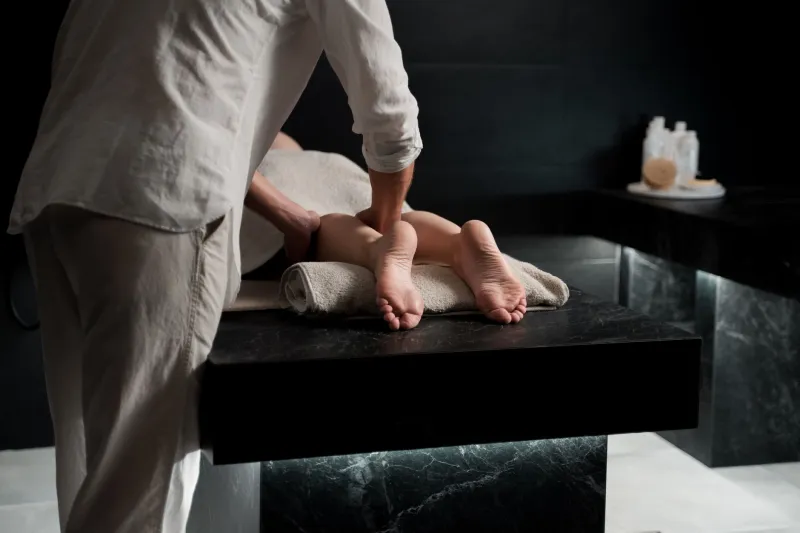
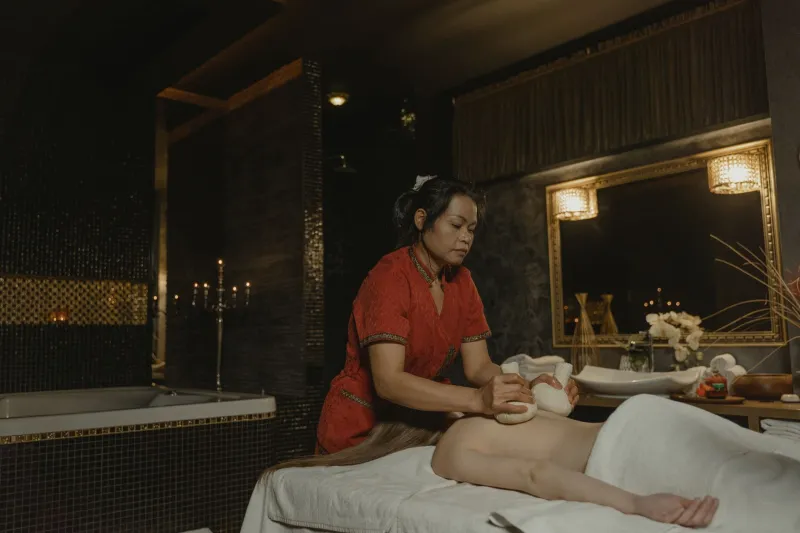
Somewhere in the Beyoğlu district, a therapist named Elif has a waiting list that stretches into next spring. She doesn't advertise. She doesn't have an Instagram account with curated flat lays of essential oils. She doesn't offer a first-session discount or a loyalty punch card. What she has is a reputation built over two decades, a client list that reads like a who's-who of Istanbul's business community, and a phone that rings more than she can answer.
Meanwhile, back in the States, a perfectly competent spa in a mid-sized American city is sending out a promotional email right now. Subject line: "50% Off All Services — This Tuesday Only."
This contrast isn't a fluke. It's a window into something genuinely different about how massage culture operates in Istanbul — and what American wellness businesses might be getting fundamentally wrong.
The Training Gap Nobody Talks About
Let's start with the obvious: how therapists learn their craft. In Turkey, the path to becoming a recognized massage practitioner — particularly one rooted in traditional Ottoman and hammam techniques — involves years of apprenticeship-style learning. You don't just attend a weekend certification course and hang a shingle. You watch, you assist, you practice under supervision, and you develop what older practitioners describe as his, a Turkish word roughly translating to intuition or feel.
In the US, the minimum hours required to become a licensed massage therapist vary by state but often hover around 500 to 600 hours. Some states require as few as 330. Compare that to the multi-year mentorship model embedded in Istanbul's traditional wellness culture, and you start to understand why clients in Istanbul aren't just booking a service — they're seeking out a specific person whose hands they trust completely.
That trust takes years to build. And once it's built, it's nearly impossible to replace with a Yelp search.
Pricing That Signals Value, Not Desperation
Here's a counterintuitive truth about the American spa industry: discounting is often a signal of weakness, not generosity. When a spa drops its prices to fill Tuesday slots, it's telling potential clients that the service isn't worth full price — and clients internalize that message whether they realize it or not.
Istanbul's top-tier therapists operate differently. Pricing is stable, often set well above the local average, and there are no flash sales. The logic is simple: if your calendar is full, you don't need to discount. And if you never discount, clients never expect it — which means they never wait for it.
This creates a virtuous cycle. High, consistent pricing attracts clients who are serious about their wellness rather than bargain hunters. Serious clients show up on time, tip well, rebook without prompting, and refer their friends. Those referrals arrive pre-sold on the value because a trusted person sent them.
American spas that chase volume through discounting often end up with the opposite: high turnover, inconsistent clientele, and therapists who burn out because they're doing ten sessions a day to make the math work.
The Cultural Weight of the Hammam Tradition
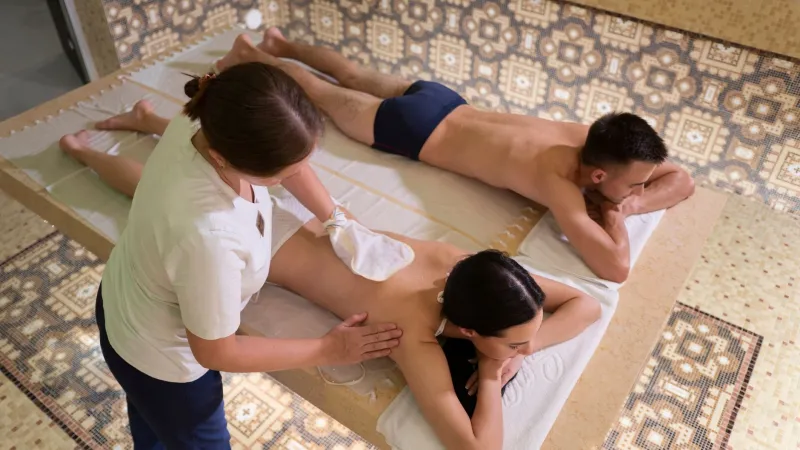
You can't fully understand Istanbul's massage culture without understanding the hammam. For centuries, the public bath wasn't just a place to get clean — it was a social institution, a place where community was built and bodies were cared for as a matter of cultural priority. Wellness wasn't a luxury add-on to a productive life. It was woven into the fabric of daily existence.
That cultural inheritance still shapes how Istanbul residents think about bodywork. Getting a massage isn't a treat you book for your birthday or a splurge you justify after a stressful quarter. It's maintenance. It's something you do regularly, the way you'd see a dentist — except people actually look forward to it.
For American travelers landing in Istanbul, this shift in cultural framing can feel almost disorienting. You walk into a hammam or a traditional massage studio and realize that the person working on you has been doing this their entire adult life, that their parents may have done it before them, and that the techniques being applied to your back have been refined over generations. That's not a spa menu. That's a lineage.
What Client Obsession Actually Looks Like
In conversations with repeat visitors to Istanbul's spa scene — many of them American business travelers who started booking treatments out of jet-lagged desperation and ended up restructuring their travel schedules around their appointments — a few themes emerge consistently.
First, therapists remember things. They remember that you carry tension in your left shoulder from your old college injury. They remember that you prefer medium pressure except on your traps where you want it deep. They remember that last time you came in, you mentioned a difficult project at work, and they ask how it went. This isn't a CRM system. It's genuine attention.
Second, the session doesn't feel transactional. American spa culture, particularly in hotel spas and chain wellness brands, has a tendency to feel like a car wash with ambient music — efficient, pleasant, and instantly forgettable. Istanbul's best therapists approach each session as a conversation between their hands and your body. They adjust in real time. They notice when something has changed since your last visit. They work with intention rather than sequence.
Third — and this is the part that's hardest to quantify — there's a quality of presence that clients describe again and again. The therapist isn't thinking about their next client or checking the clock. They're there, fully, for the duration of your session. In a world of fragmented attention and notification-driven distraction, that kind of focused human presence feels almost radical.
The 24-Hour Dimension
One more variable worth noting: availability. Istanbul's round-the-clock spa culture means that the best therapists aren't just accessible during the narrow window between 10 AM and 6 PM when most American spas operate. Late arrivals from long-haul flights, early risers who want to front-load their recovery before a full day of meetings, night owls who do their best decompressing after midnight — they all have options here.
That flexibility matters more than it might initially seem. It means clients can book when they actually need a session rather than when the calendar happens to be open. And when a therapist is consistently available at the hours their clients genuinely need them, loyalty deepens fast.
What American Wellness Can Learn From This
None of this is meant to be a takedown of American spas. There are exceptional therapists working in the US who have built exactly this kind of loyal, word-of-mouth clientele. But they tend to succeed despite the industry's structural incentives, not because of them.
The lesson from Istanbul isn't that you need to be Turkish to build a waitlist. It's that waitlists are built through depth, not volume. Through consistent pricing that signals confidence. Through training that produces genuine skill rather than certification compliance. Through a cultural attitude that treats bodywork as essential rather than optional.
If you're planning a trip to Istanbul — whether it's a layover, a business trip, or a dedicated wellness visit — the six-month waitlist therapists are worth pursuing. Book ahead. Ask your hotel concierge for a personal recommendation rather than a booking link. And when you get on that table, pay attention to what's different.
You might come home with more than just relaxed muscles. You might come home with a completely different idea of what a massage is supposed to be.