You're Paying $400 for Something Istanbul Does Better for $47 — Here's the Full Breakdown
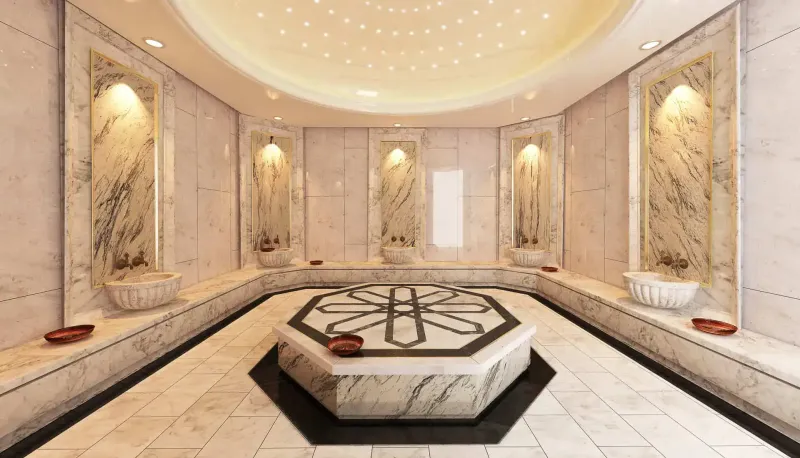
Photo: traditional Istanbul hammam marble interior steam bath authentic, via www.twofortheworld.com
Let's be direct about something. That 'Turkish hammam ritual' on the menu at your favorite upscale American spa — the one with the grainy exfoliation scrub, the eucalyptus-scented steam room, and the price tag that makes you briefly reconsider your life choices — is a tribute act. A cover band playing the greatest hits without understanding the original recording.
The real thing costs somewhere between $40 and $60 in Istanbul, runs around the clock, and delivers results that the luxury version genuinely cannot match. Here's why.
What an Authentic Hammam Actually Involves
Before we talk price, it's worth understanding what you're actually buying — because most Americans who haven't visited Istanbul have a pretty fuzzy picture of what a traditional Turkish bath entails.
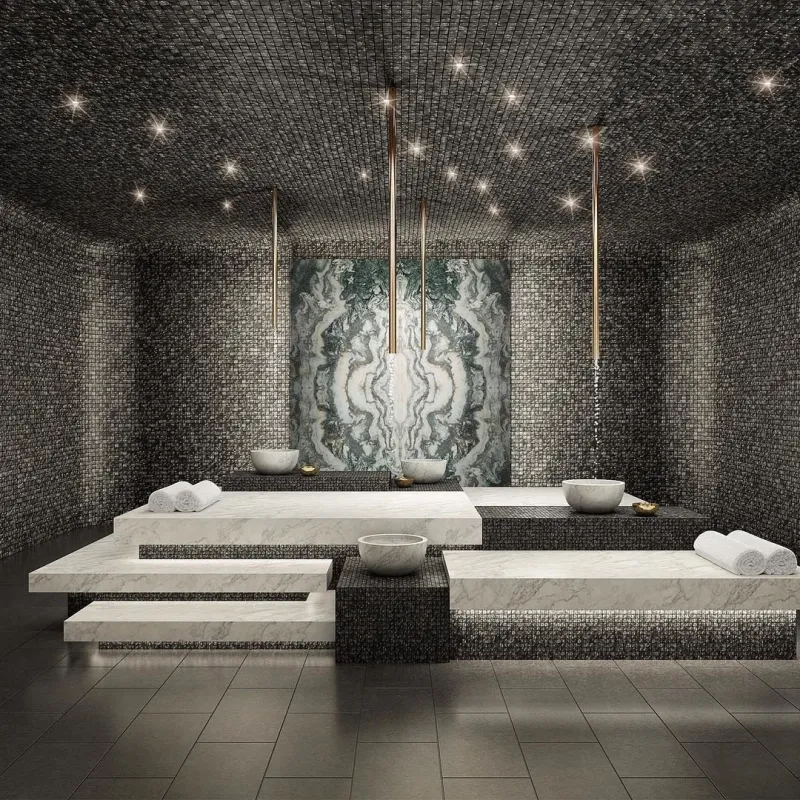
A proper hammam session follows a sequence that's been refined over roughly 600 years. You begin in a warm room (the tepidarium, or ılıklık) to gradually raise your body temperature. You move to the hot room (hararet), centered around a large heated marble slab called the göbek taşı — literally 'navel stone' — where you lie flat and sweat. A tellak (the bath attendant) then performs a full-body scrub using a kese, a coarse exfoliating mitt that removes dead skin cells with a thoroughness that would genuinely alarm you the first time you see what comes off. This is followed by a foam massage using olive oil soap, then a rinse, then a cool-down period.
The entire process takes 45 to 90 minutes depending on the establishment. The infrastructure — the marble, the steam, the specific thermal progression — is doing a significant portion of the work.
Why the Marble Matters More Than You Think
This is the detail that American spa interpretations almost universally get wrong. The göbek taşı isn't decorative. Hammams are built over or adjacent to natural heat sources, and the marble slab retains and radiates that heat directly into your body during the scrub phase. The effect on muscle tissue is different from surface-level steam or heated towels.
Deep, sustained heat penetration increases circulation in a way that's clinically relevant for muscle recovery. Blood flow to connective tissue improves. The fascia — the fibrous tissue surrounding your muscles — becomes more pliable, which is why the subsequent massage portion feels fundamentally different from a dry-room massage. You're not working against tight tissue. The heat has already done the prep work.
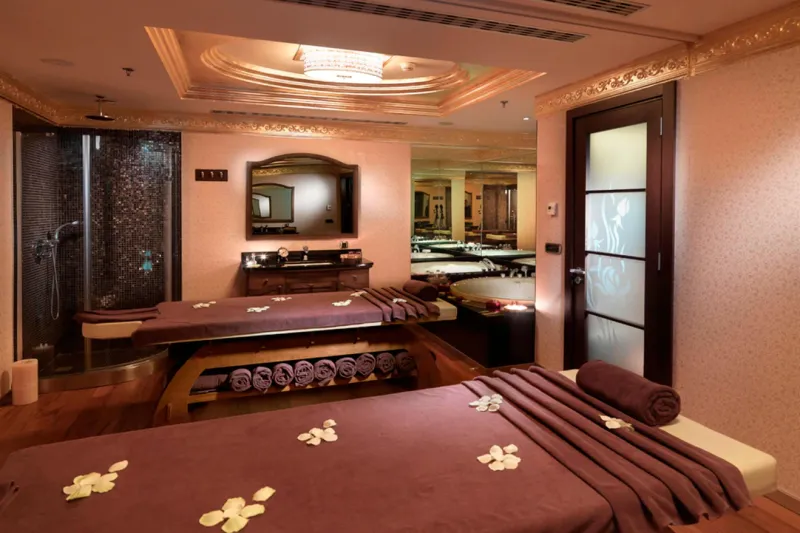
American spas that offer 'hammam-inspired' treatments are typically working with steam rooms that don't reach the same temperature profile, massage tables instead of marble slabs, and significantly abbreviated treatment sequences. The price goes up. The result goes down.
The Kese Scrub: What $400 Is Trying to Replicate
The exfoliation component of a traditional hammam is another area where the authentic version has a structural advantage. The kese mitt, used by a trained attendant who applies consistent pressure across your entire body, removes dead skin at a depth that over-the-counter exfoliants and gentler spa treatments simply don't reach.
The result isn't just aesthetic (though your skin will feel noticeably different for days afterward). Physical removal of the outermost skin layer improves the effectiveness of any moisturizing treatment that follows and contributes to the overall circulatory response of the session. It's also why hammam regulars tend to have notably healthy-looking skin — this isn't incidental.
American spas charge premium rates for body scrub treatments that use gentler formulations and shorter application times. The kese scrub in an Istanbul hammam is more thorough, more physically effective, and costs a fraction of the price.
Breaking Down What $47 Gets You vs. What $400 Gets You
Authentic Istanbul hammam ($40–$60):
- Full thermal progression across multiple rooms
- 15–20 minutes on the heated marble slab
- Complete kese exfoliation by a trained attendant
- Olive oil foam massage
- Unlimited time in the cooling room
- Traditional tea service at many establishments
- Available 24 hours at numerous locations across the city
American luxury spa 'Turkish bath ritual' ($350–$450):
- Steam room access (often shared, often not temperature-controlled to hammam standards)
- Modified body scrub using commercial exfoliant products
- 50-minute massage in a standard treatment room
- Ambient music and branded skincare products
- Scheduling limited to business hours
- Upsell pressure on add-on treatments
The gap isn't subtle.
How to Do It Right Without Overpaying
Istanbul has a tourist hammam problem. There are establishments near major attractions that charge two to three times the local rate for an experience that's been adjusted — shortened, softened, and souvenired — for foreign visitors who don't know what they're supposed to be getting. Avoiding these is straightforward if you know what to look for.
Skip the hotel recommendation. Concierges at international hotels often have referral relationships with premium tourist hammams. Ask locals instead, or do a quick search for neighborhood hammams (mahalle hamamı) rather than destination spas.
Book in advance for peak hours but don't assume you need to. Istanbul's 24-hour hammam culture means you have genuine flexibility. A session at 11 p.m. on a Tuesday is often less crowded and just as good as a Saturday afternoon appointment.
Don't upgrade everything. The base package at a reputable hammam includes everything you need. The 'premium oil massage' add-on has its place, but the core scrub-and-foam sequence is where the value lives.
Bring flip-flops. It sounds minor. It isn't.
Drink water before and after. The thermal progression is dehydrating in a way that sneaks up on you. This isn't a wellness cliché — it's practical.
The Bottom Line
If you're in Istanbul — whether you're here for work, for a layover, or for an actual vacation — you are sitting on top of one of the world's most effective and affordable wellness experiences. The hammam isn't a tourist attraction dressed up as a spa treatment. It's a functional recovery tool with a six-century track record, available any hour of the day or night, at a price point that makes the American luxury spa market look almost embarrassing by comparison.
You can pay $400 for the approximation when you get home. Or you can pay $47 for the original while you're here.
The math isn't complicated.