Your Istanbul Layover Is a Wellness Opportunity: The Biohacker's Guide to All-Night Spa Strategy
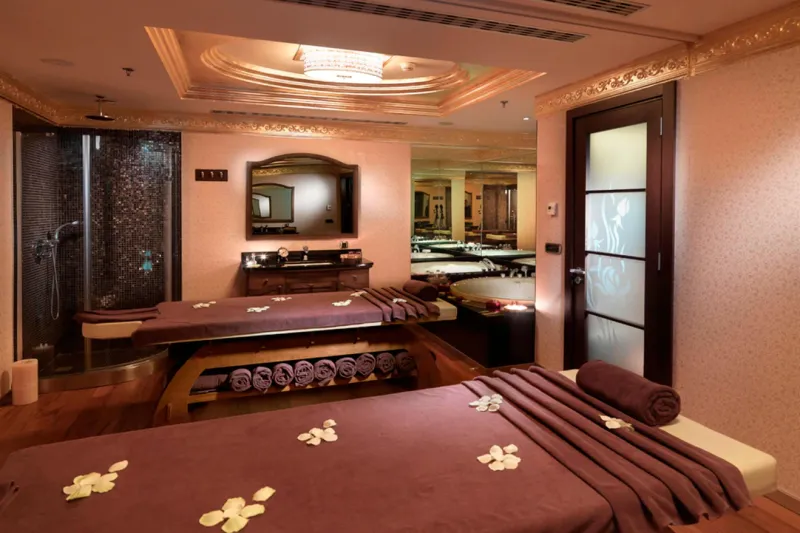
Photo: business traveler spa wellness Istanbul airport recovery massage, via istanbul.tips
The Layover That Changed the Game
Somewhere over the Atlantic, a certain type of American traveler has started doing the math differently. The question used to be: How do I survive this layover? Now it's: How do I actually use this time?
Istanbul Atatürk and Istanbul Airport sit at one of the world's great aviation crossroads. Hundreds of thousands of US passengers move through this city annually — many of them killing time in terminal lounges, nursing overpriced coffee, and arriving at their final destination more depleted than when they started.
But a growing cohort of wellness-forward travelers, particularly those who identify with the biohacking community, has figured out something worth sharing: Istanbul's 24-hour spa and massage infrastructure is one of the most underutilized performance tools available to any traveler with a long layover or a free evening between conference sessions.
What Biohacking Actually Means in This Context
The term "biohacking" gets thrown around loosely, so let's be precise. In travel wellness terms, it simply means making deliberate, science-backed choices about how you manage your body's resources during a trip — minimizing the physiological cost of travel while maximizing cognitive and physical performance on the other side of it.
Travel itself is genuinely hard on the body. Cabin pressure reduces blood oxygen saturation. Prolonged sitting compresses lumbar vertebrae and restricts circulation. Circadian disruption from crossing multiple time zones elevates cortisol and impairs memory consolidation. A transatlantic or transcontinental flight followed immediately by high-stakes professional obligations is, from a purely physiological standpoint, a recipe for underperformance.
This is where Istanbul's always-on wellness scene enters the picture as a legitimate strategic asset — not a luxury indulgence.
The Science Behind the Strategy
Let's talk numbers, because biohackers love numbers.
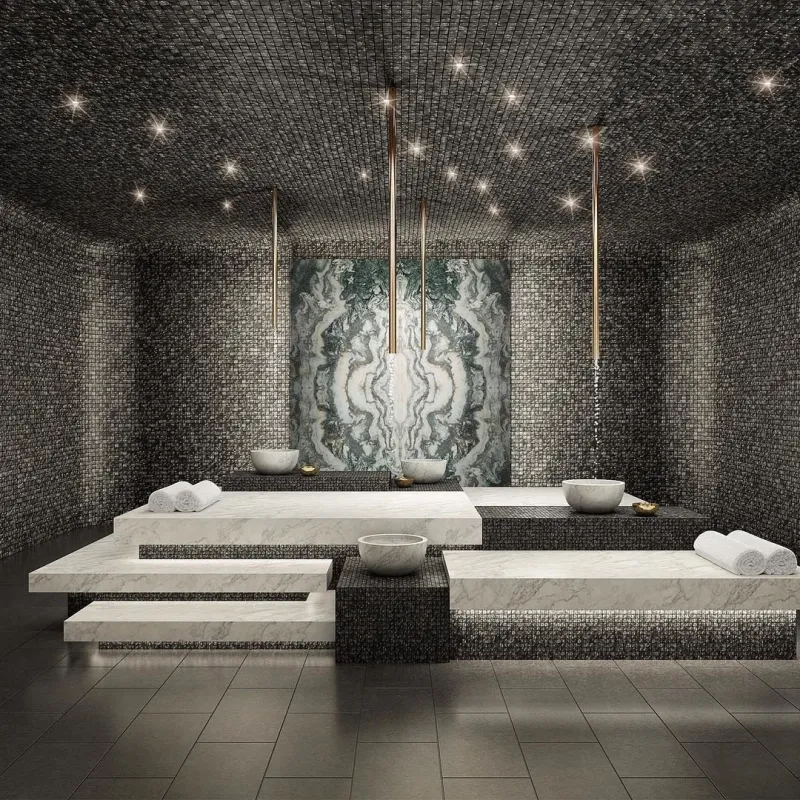
A 60-minute deep tissue massage has been shown in peer-reviewed research to reduce blood cortisol levels by up to 30%, lower heart rate variability markers associated with stress, and improve perceived sleep quality in the subsequent sleep period. A traditional Turkish hammam session adds circulatory benefits from heat exposure, lymphatic stimulation from exfoliation, and a measurable reduction in delayed-onset muscle soreness — relevant for anyone who's been folded into an economy seat for 10-plus hours.
When you layer these interventions onto a long layover — say, a six-to-eight-hour window in Istanbul — you're not just passing time. You're actively counteracting the physiological damage of transit and front-loading recovery before your next demanding stretch of travel or work.
Dr. Kevin Marsh, a sports medicine physician based in Denver who consults with several Fortune 500 companies on executive health, frames it this way: "The executives I work with who perform most consistently under travel stress are the ones who treat recovery as a non-negotiable input, not an optional reward. If a city offers therapeutic services at 3 a.m. and you have a 3 a.m. window, using that resource is just good systems thinking."
Building Your Istanbul Spa Passport
The concept of a "spa passport" — a deliberate, pre-planned schedule of wellness interventions mapped onto a travel itinerary — is gaining traction among US business travelers who've stopped treating spa visits as spontaneous treats and started treating them as scheduled recovery sessions.
Here's how to build one that actually works for an Istanbul transit or business trip:
Step 1: Map Your Windows Before You Fly
Before you leave the US, identify every gap in your Istanbul schedule that's longer than three hours. Early morning pre-conference? Late-night post-dinner? A layover long enough to leave the airport? These are your wellness windows. Mark them.
Step 2: Match Treatment to Recovery Need
Not every session serves the same purpose. Consider what your body actually needs:
- Jet lag and sleep disruption: Opt for a full-body relaxation massage combined with a hammam steam session. Heat exposure helps reset circadian rhythm cues, while the massage reduces the cortisol spike that often makes post-flight sleep elusive.
- Muscle tension from long-haul sitting: Deep tissue or sports massage targeting the lumbar region, hip flexors, and shoulders will address the specific compression patterns that economy seating creates.
- Mental fatigue and decision-making overload: Scalp massage and cranial work have documented effects on parasympathetic nervous system activation — essentially flipping the switch from fight-or-flight to rest-and-digest.
Step 3: Time It Strategically
This is where Istanbul Massage 24's around-the-clock availability becomes genuinely valuable. You don't have to shoehorn a wellness session into the narrow window when most spas are open. If your clearest recovery opportunity is at 1 a.m. or 5 a.m., you can act on it.
For jet lag management specifically, late-night sessions can be particularly effective. Research on light and activity timing suggests that gentle physical stimulation followed by sleep in the new time zone helps accelerate circadian adaptation — which means a midnight massage in Istanbul isn't just relaxing, it's functionally helping your body clock reset faster.
Step 4: Protect the Recovery Window After Your Session
This is where most travelers undercut their own strategy. You book the massage, you feel great, and then you immediately check your inbox or stay up for another two hours processing the day. Don't.
Treat the hour following a therapeutic session as protected recovery time. Hydrate. Avoid screens. Let the physiological effects compound. The whole point of the biohacking approach is to respect the process enough to actually let it work.
What US Travelers Are Reporting Back
The anecdotal evidence from American business travelers who've adopted this approach is consistently positive — and increasingly specific.
Tyler Nguyen, a tech consultant from San Francisco who passes through Istanbul four or five times a year, started scheduling late-night massage sessions between his arrival and his first morning meeting about 18 months ago. "My performance on day one of a conference used to be noticeably worse than days two and three — just the fog of travel. Since I started using Istanbul's spa options strategically, that gap has basically disappeared. I show up ready."
Rachel Kim, an attorney from New York who had a seven-hour layover in Istanbul last spring, used the time to visit a hammam for the first time. "I was expecting a tourist experience. What I got was genuinely therapeutic. I boarded my connecting flight feeling better than I had at the start of the trip. That almost never happens."
The ROI Argument for Skeptics
If you're still mentally filing this under "nice to have," consider the actual return on investment. A two-hour spa session in Istanbul is a fraction of the cost of the same treatment in New York or LA. The performance upside — arriving at a high-stakes meeting cognitively sharp rather than travel-dulled — is measurable in professional outcomes that almost certainly exceed the cost of the treatment.
More broadly, chronic travel stress compounds over time. The executive or professional who treats recovery as optional is borrowing against future performance. Building wellness interventions into your Istanbul itinerary isn't self-indulgence — it's maintenance on the most important professional tool you have.
Istanbul Massage 24 is here precisely because this city's wellness infrastructure is genuinely exceptional and genuinely available whenever you need it. The only question is whether you're going to use it.