Booking a 2 A.M. Massage Alone in Istanbul? Run This 8-Point Check First
Photo: Gardiner, David, CC BY-SA 2.5, via Wikimedia Commons
It's 2:15 a.m., your flight landed ninety minutes ago, your hotel room is very quiet, and your back has that airplane-seat feeling. You pull up a map of Istanbul and see a dozen massage places marked as open right now. The instinct is either to book the nearest one immediately or to close the app and stare at the ceiling.
Neither is necessary. Istanbul is a city where solo travelers — women especially — move around comfortably at all hours, and late-night massage is a normal, unremarkable service here, not a fringe industry. But "normal" doesn't mean "skip the homework." What follows is the checklist we'd give a friend calling from a hotel lobby at 2 a.m. It takes about ten minutes and it's mostly about confirming things that legitimate businesses are happy to confirm.
1. Confirm the place exists as a business, not just a pin
Start with the boring stuff. A real spa has a fixed street address, a phone number that matches across its website, Google listing, and Instagram, and a name that appears on its own signage in photos. Pull up the address in Street View and see whether there's actually a storefront there. If the listing is an apartment block with no sign, that's your cue to look elsewhere — not because every home studio is shady, but because at 2 a.m. in a city you don't know, you want a front desk, a waiting area, and other people in the building.
Ask, in writing, for the business's registration details. A licensed operator will answer without drama. A place that gets weird about a simple question is telling you something.
2. Read reviews for specificity, not stars
A wall of five-star reviews posted in the same week is noise. What you want are reviews that mention a therapist by name, describe the room, mention whether there's a women-only area, or note that the price matched the website. Those details are hard to fake at volume.
Read the two- and three-star reviews first. Look for patterns: surprise charges, a therapist swap at the last minute, a hard sell on add-ons at reception, cash-only demands after the fact. One grumble is life. Three grumbles about the same thing is a system.
Also check the timing. Reviews from the last two or three months tell you more about how the place runs today than anything from 2023.
3. Ask for the therapist you want — before you arrive
Requesting a female therapist, or a male one, is completely standard in Turkey and nobody will be offended. Say it plainly over WhatsApp or the booking form: "I'd like a female therapist for a 60-minute massage at 2:30 a.m., please confirm her name."
A professional operation will confirm the name and hold the slot. Many Istanbul spas default to same-gender therapists for women anyway, and some run women-only hours or separate floors. If you'd prefer that, ask which windows apply.
4. Get the number in writing
Menu pricing should be published — per session, not per minute, ideally with duration listed. Before you book, message: "60-minute Swedish massage, total price including tax — and what's the expected tip?" Istanbul tipping norms run around 10 percent for good service, usually in cash, and it's fine to hand it directly to the therapist.
Watch for a menu that lists a low headline rate and then adds oil charges, towel charges, or "premium room" fees at checkout. Ask for the all-in figure. If they won't give it, believe them and move on.
5. Pay by card where you can
Card is safer for you and creates a record. Most established spas accept cards; a few smaller ones are cash-preferred, which is fine if it's disclosed upfront and you get a receipt. Carry some lira in small notes for tips regardless.
Never hand over a full payment before the service unless you've booked through a platform that protects you. A deposit to hold a late slot is normal. Handing 2,000 lira in cash to a stranger at a door is not.
6. Plan both legs of the trip
Getting there: use a ride-hailing app, have your hotel desk call a taxi, or pre-book a transfer. Getting back: ask the spa to call you a taxi and wait inside until it pulls up. Nobody at a reputable spa will find that request strange — it happens nightly.
Share your live location with someone back home. Not because Istanbul is dangerous, but because it's a big city and a shared pin costs nothing.
7. Know the red flags — and the green ones
Red flags, in plain language: no signage or a door you can't find; a demand for full cash payment before you've seen the room; vague answers about "extras"; being told the price changed after you arrived; no separate changing area; a therapist who isn't the one you booked, with no explanation; anything that feels like a pitch rather than a service.
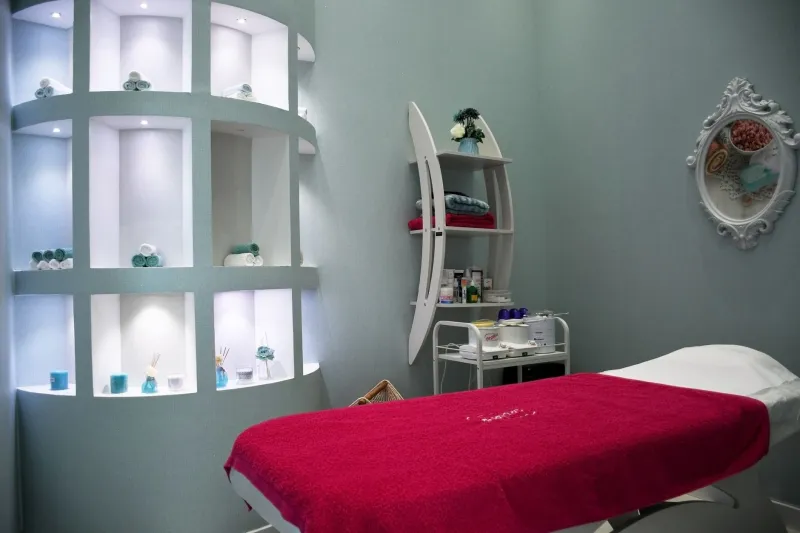
Green flags are just as easy to spot: a published menu, real photos of real rooms, named therapists, a reception desk, fresh linens, lockable lockers, a short health intake asking about injuries and pressure preferences, and staff who answer questions like they've been asked them a thousand times. They have been.
8. Trust the small "huh" feeling
You don't need proof to leave. If something feels off — the tone of the messages, the address, the way a price keeps shifting — cancel. There are dozens of other places open right now, and a 2 a.m. massage is a luxury, not an emergency. You can always book tomorrow.
The point isn't fear — it's a better night
Solo travel rewards people who do ten minutes of homework. Run these checks and the rest of the experience is exactly what it should be: a warm room, a competent pair of hands, and a very quiet hour in a city that never fully goes to sleep. Then you walk out into the empty street, taxi already waiting, and get the best sleep of your trip.