Ancient Steam, Modern Science: What Your Gym's Recovery Room Can't Do That a Turkish Hammam Can
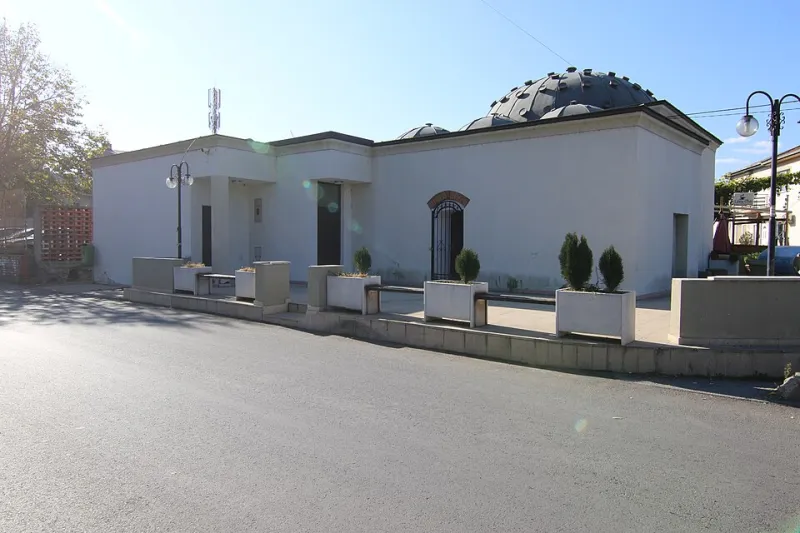
Photo: 44martin88, CC BY-SA 4.0, via Wikimedia Commons
Let's be honest: the recovery room at your gym back home is fine. A foam roller, maybe a cold plunge if you're lucky, and a protein shake vending machine humming in the corner. It gets the job done. But if you're in Istanbul and you haven't stepped foot inside a traditional hammam, you're leaving serious wellness gains on the table — and there's real physiology behind that claim.
Turkish bath culture isn't just a travel bucket-list checkbox. It's a layered, sequenced therapeutic system that engages your body at a cellular level in ways that most modern recovery methods simply don't replicate. Here's what's actually happening under all that steam.
What Happens to Your Body the Moment You Walk In
The classic hammam experience begins with heat — and not the dry, surface-level warmth of a sauna. The marble-heated floors and humid air of a traditional hammam create what physiologists describe as a whole-body thermal load. Your core temperature rises gradually, and your cardiovascular system responds by dilating peripheral blood vessels. Blood moves toward the skin. Heart rate ticks up slightly. You're essentially getting a passive cardiovascular workout without moving a muscle.
Dr. Elif Yıldız, a sports medicine consultant who has worked with both Turkish national athletes and international wellness tourists, puts it plainly: "The sustained moist heat in a hammam creates vasodilation that's deeper and more uniform than what you get from a dry sauna or a heating pad. The humidity keeps the skin from drying out, which allows the heat to penetrate further into soft tissue."
For Americans who associate recovery with compression sleeves and Epsom salt baths, this might sound overly simple. But the mechanism is well-documented. Increased blood flow to muscle tissue accelerates the removal of metabolic waste — including lactic acid and inflammatory byproducts — while delivering fresh oxygen and nutrients. That's not folklore. That's basic exercise physiology.
The Kese Scrub: Exfoliation with a Physiological Purpose
After the heat phase, the hammam attendant — called a tellak — begins the kese treatment. Using a coarse mitt, they scrub away dead skin cells in long, deliberate strokes across your entire body. It looks dramatic. What's actually happening is surprisingly sophisticated.
Your skin is your body's largest organ, and it's also a major elimination pathway. Dead skin cells accumulate and create a barrier that can impede the natural detoxification process. The kese removes that layer efficiently and stimulates the lymphatic system — a network of vessels responsible for clearing immune waste, excess fluid, and cellular debris.
"What we see after kese treatments is a marked improvement in lymphatic circulation," says Dr. Yıldız. "Patients who come in with chronic muscle tension or post-travel swelling often report significant relief after just one session. That's not placebo. That's lymphatic drainage happening mechanically."
Compare that to your gym's recovery room foam roller, which targets specific muscle groups in isolation. The kese covers the entire body in a single session. There's no comparison in terms of systemic reach.
Soap Massage and the Parasympathetic Nervous System
After the scrub, the foam massage begins. A pillowcase-sized bag is inflated with hot soapy lather and worked across your body in sweeping motions. The sensation is somewhere between a cloud and a Swedish massage, and it triggers something important: a parasympathetic nervous system response.
Your body has two operating modes — sympathetic (fight-or-flight) and parasympathetic (rest-and-digest). Most Americans, especially those traveling for work or navigating a packed tourist itinerary, are running in sympathetic overdrive. Cortisol levels stay elevated. Muscles stay tense. Sleep quality degrades.
The warmth, the rhythm, and the full-body sensory input of the foam massage phase signal your nervous system to downshift. Cortisol drops. Heart rate variability improves. Muscles that have been holding chronic tension for days — or months — begin to release.
This isn't unique to hammams, but the sequence matters. The heat has already loosened the tissue. The kese has cleared the skin and stimulated lymphatic flow. By the time the foam massage begins, your body is primed to receive it in a way it simply isn't during a standalone massage appointment.
Why Timing and Access Matter
Here's where Istanbul's 24-hour hammam scene becomes genuinely practical rather than just exotic. Recovery isn't a nine-to-five need. If you've just landed from a transatlantic flight at 2 a.m., your muscles are stiff, your circulation is sluggish, and your nervous system is scrambled. The ability to walk into a traditional hammam at any hour — not wait until a spa opens at 10 a.m. — means you can initiate the recovery process when your body actually needs it.
The physiological window for post-travel recovery is real. The longer you wait to address inflammation and circulatory stagnation, the more entrenched those patterns become. A midnight hammam session isn't indulgent. It's strategically timed therapeutic intervention.
What Your Gym Still Gets Right (And Where Hammam Fills the Gaps)
This isn't an argument against modern recovery tools. Cold therapy has legitimate applications for acute injury. Compression works for certain types of swelling. Strength training remains irreplaceable for musculoskeletal health.
But the hammam addresses something most gym recovery rooms don't: the systemic, whole-body stress response. It works on the nervous system, the lymphatic system, the cardiovascular system, and the skin simultaneously. It does it through passive engagement, meaning your body recovers without the additional stress of active movement. And it does it within a cultural ritual that has been refined over centuries to maximize therapeutic output.
For Americans accustomed to optimizing everything — tracking sleep scores, logging macros, monitoring heart rate zones — the hammam offers a different kind of optimization. One that doesn't require a wearable or an app. Just heat, marble, and a tellak who's been doing this since before your gym existed.
Istanbul's hammams are open when you need them. The science backs them up. Your recovery room back home will still be there when you get home.